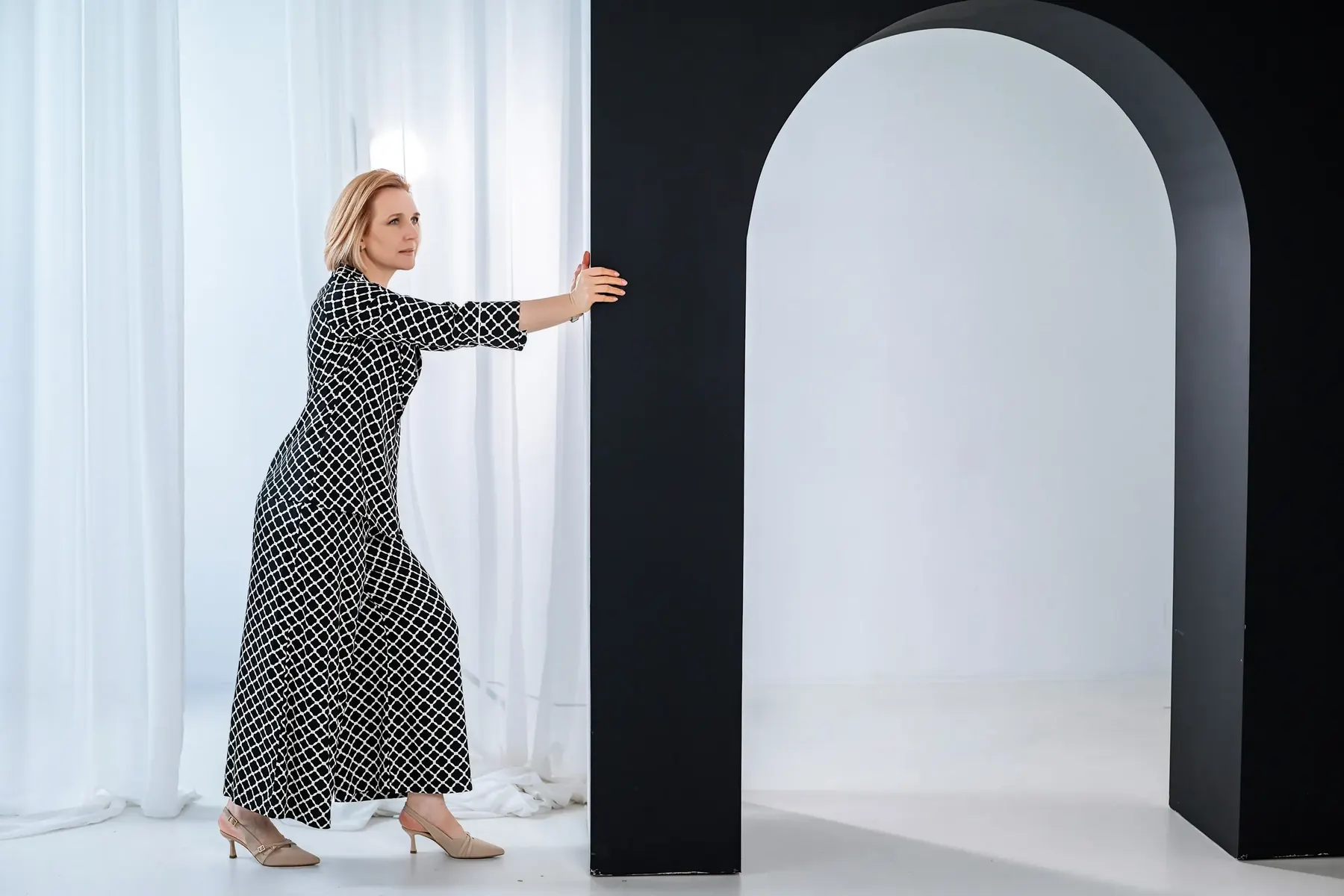
Taken a career break? Ten years ago in Moldova, people would have looked at you like a tourist who went cycling around Europe instead of working. But the world is changing, and career breaks are no longer a myth. They're reality. LinkedIn says 42% of employees worldwide have deliberately taken a break, and 65% later thanked themselves for it because they found new goals and fresh drive. The trend is gathering speed in Moldova too. Let's look at what this creature is, how it lives in our reality, and what HR and employees can do to avoid being left behind.
Career Breaks in Moldova: What's Happening?
Forget the stereotype that a break means laziness or failure. In Moldova, people take time out to reset, build skills, or handle personal matters. Some go back to school, some focus on family, and some try to launch a startup—like one of our clients, who returned to IT after a break and led his team to a €1 million contract. Yes, a gap in a CV used to trigger questions: "What did you do for six months?" But the market is becoming more flexible. Remote work, hybrid formats, and international projects give people a chance to step away without fearing they'll be pushed out of the game.
And What Does the Employee Think? A Break Isn't for Everyone
If you're an employee dreaming of a break to catch your breath or learn Python, remember: this isn't a beach vacation. It's a serious step that requires preparation. The main thing is a financial cushion. Without savings, a break can turn into stress. Can you cover three to six months without income? Not everyone has money set aside for a rainy day, and that's normal. A working partner or support from parents may help—in Moldova, family often becomes the lifeline. One of our candidates, for example, took a break to train as a data analyst because her husband covered the expenses. Eight months later, she landed a €1,500 salary. But would that have been possible without his support? It's better to save up or find side work, like freelancing, so you don't have to count every cent. A break is great, but only if you aren't starving for your dream.
Why Breaks Aren't Scary, but Great
A career break is like a pit stop in a race: you stop so you can accelerate later. Here's what it gives you:
Perspective. People return with a clear understanding of what they want. After a three-month break, one of our candidates turned down a bank offer and moved into marketing because he finally understood what energized him.
New skills. A break is a chance to grow, not binge-watch shows.
Energy. An employee returning from a break is like a fully charged phone: full of ideas and ready to move mountains. Companies that understand this don't just get an employee. They get a rocket.
How HR Can Keep Up With This Trend
If you work in HR or own a business in Moldova, it's time to change your approach so career breaks work for you, not against you.
Don't label the CV. A gap in someone's employment history isn't a red flag. Ask, "What did you do during those six months?" Maybe the candidate learned to code, raised children, or launched a business. One of our clients hired a marketer after a year-long break. She had traveled and studied trends, then took his brand into the Romanian market. Look at skills, not dates.
Make re-entry easy. Returning after a break is like walking into cold water: it's frightening until you dive in. Create programs that help—short training sessions, mentoring, access to courses. This isn't charity. It's an investment in loyalty.
Be open, not judgmental. If an employee says, "I want to take a break," don't roll your eyes. Talk it through: why, for how long, and what happens afterward? A culture of openness means people aren't afraid to be honest, and you don't lose talent.
What Does This Mean for Moldova?
Career breaks aren't a luxury for the "rich." They're a new standard. In Moldova, where the labor market is tight and competition for professionals is high, companies that embrace this trend will win. A break doesn't make people lazier. It makes them stronger: they return with ideas, energy, and a hunger to take on the market. And if you, as an HR professional or boss, learn to support them, you won't just get employees. You'll get people who can transform your business.
A Break Isn't a Stop. It's Acceleration
If you're an employee, don't fear a break—but prepare a cushion and a plan so you aren't left with nothing. If you work in HR, stop seeing breaks as a threat. They're your chance to attract stars. What do you think: is a break a risk, or your ticket to the future?